Author: Blue Derma Team
Reviewed by: Ajay (04+ Years Experience)
Dandruff can be frustrating, persistent, and often misunderstood. If you’ve ever dealt with white flakes on your shoulders or an itchy scalp that won’t settle, you already know how uncomfortable it can be. However, the right shampoo for dandruff and flaky scalp can make a significant difference when chosen carefully and used consistently.
In this guide, you’ll learn what causes dandruff, how to treat it effectively, and how to select the best shampoo that not only removes flakes but also promotes long-term scalp health.
1. Understanding the Root of Dandruff
To begin with, dandruff is not just about dryness. In many cases, it is linked to a yeast-like fungus called Malassezia that lives on the scalp. When this fungus grows excessively, it disrupts the natural balance, leading to irritation and flaking.
At the same time, environmental factors such as pollution, stress, and poor hair hygiene can worsen the condition. Therefore, choosing a proper shampoo for dandruff and flaky scalp becomes essential to address both the symptoms and the underlying causes.
2. Why Flaky Scalp Needs Special Attention
A flaky scalp is often confused with dry scalp, but the two are different. While dry scalp occurs due to lack of moisture, dandruff-related flaking is usually caused by excess oil and microbial imbalance.
Because of this distinction, using a regular shampoo may not be effective. Instead, a targeted shampoo for dandruff and flaky scalp works by balancing oil production, removing buildup, and controlling fungal growth. As a result, it helps restore scalp health over time.
3. Key Ingredients That Make a Difference
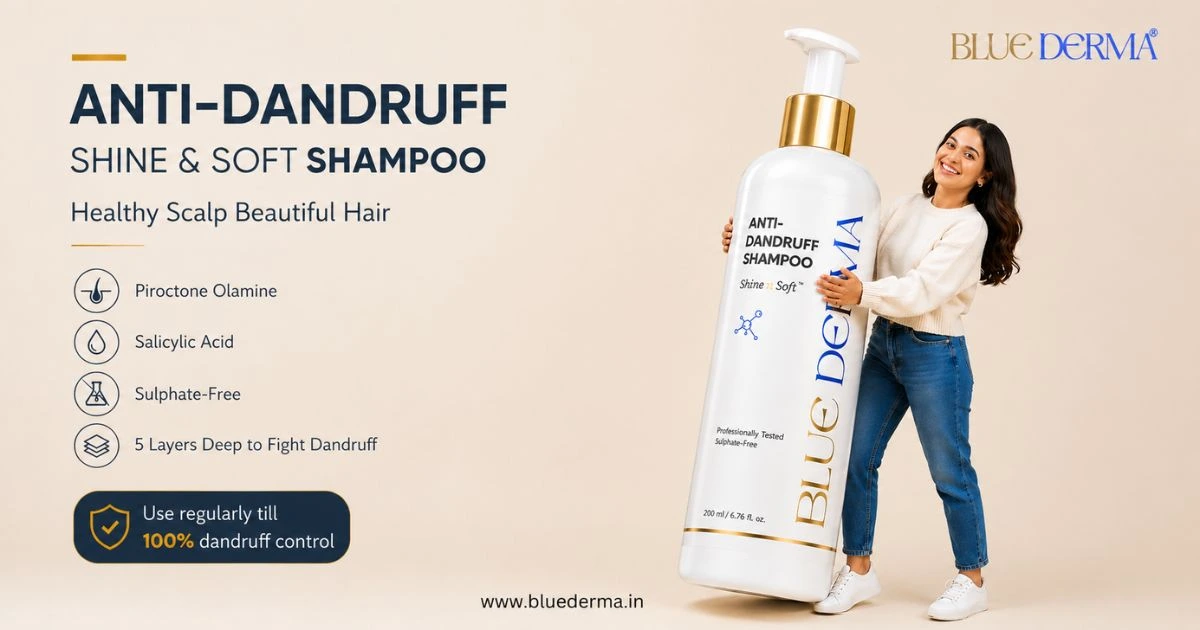
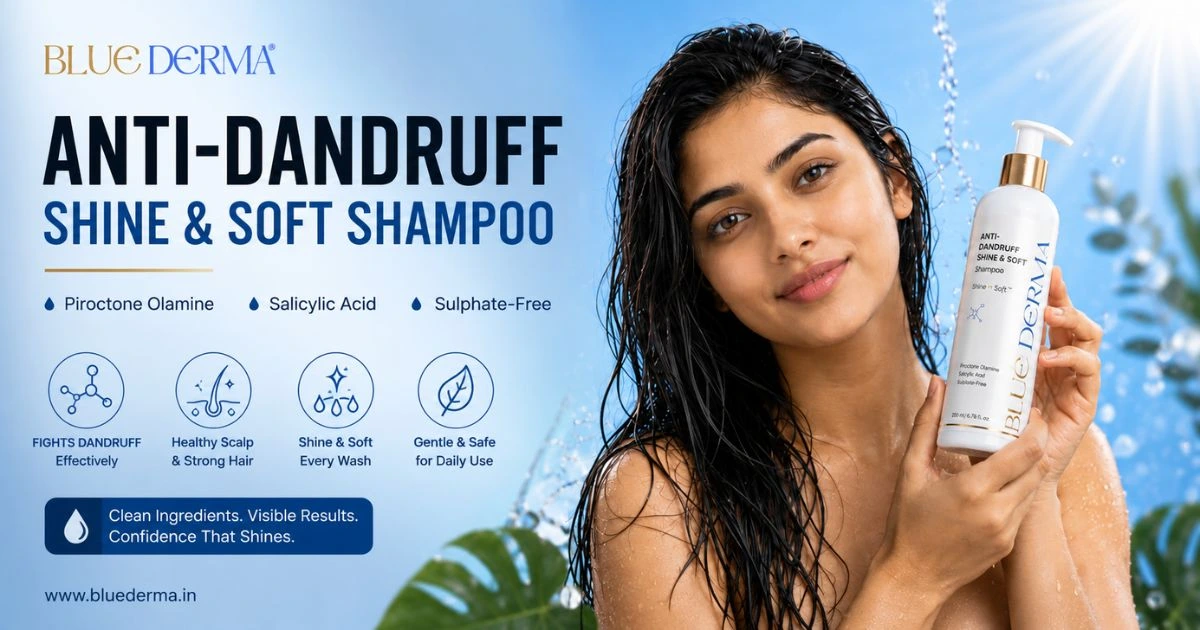
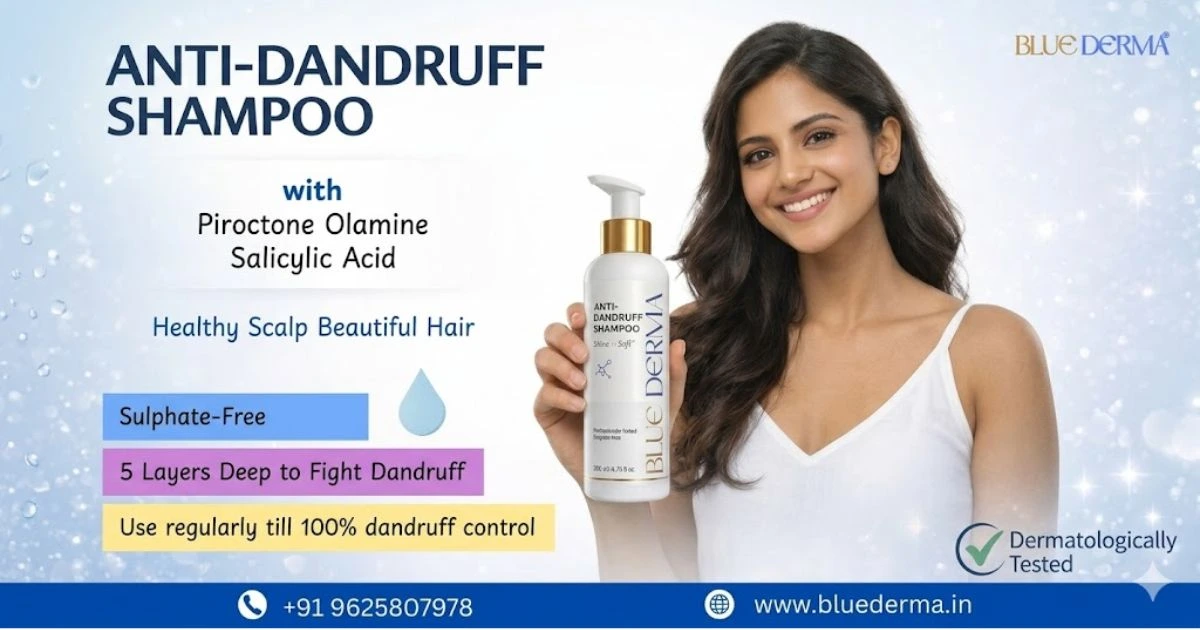
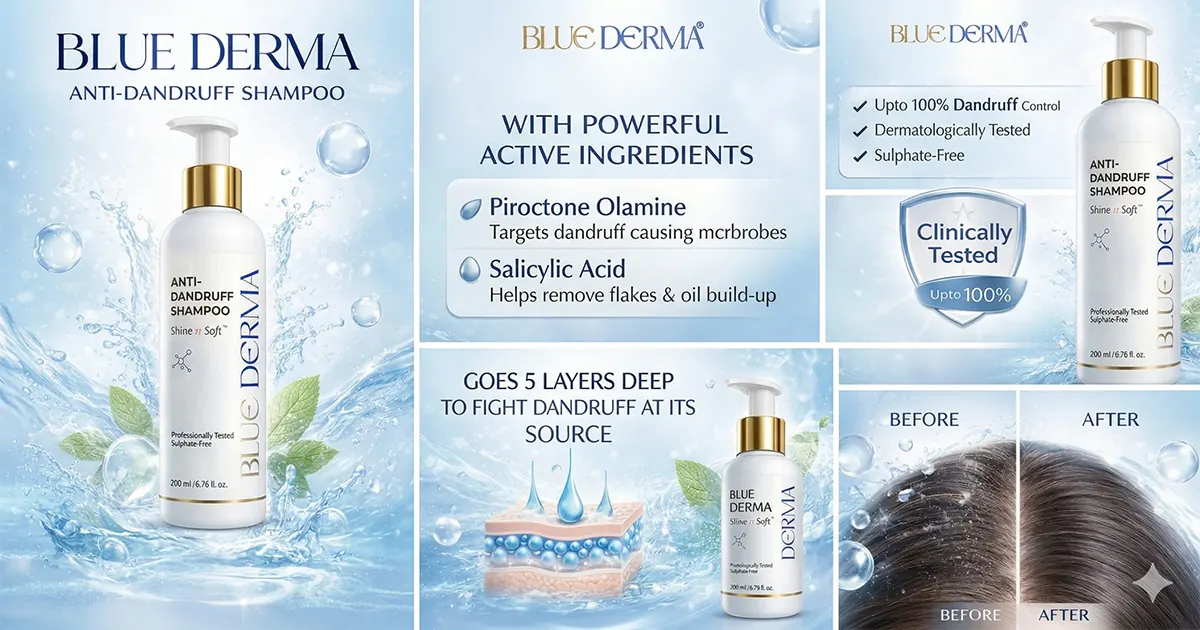
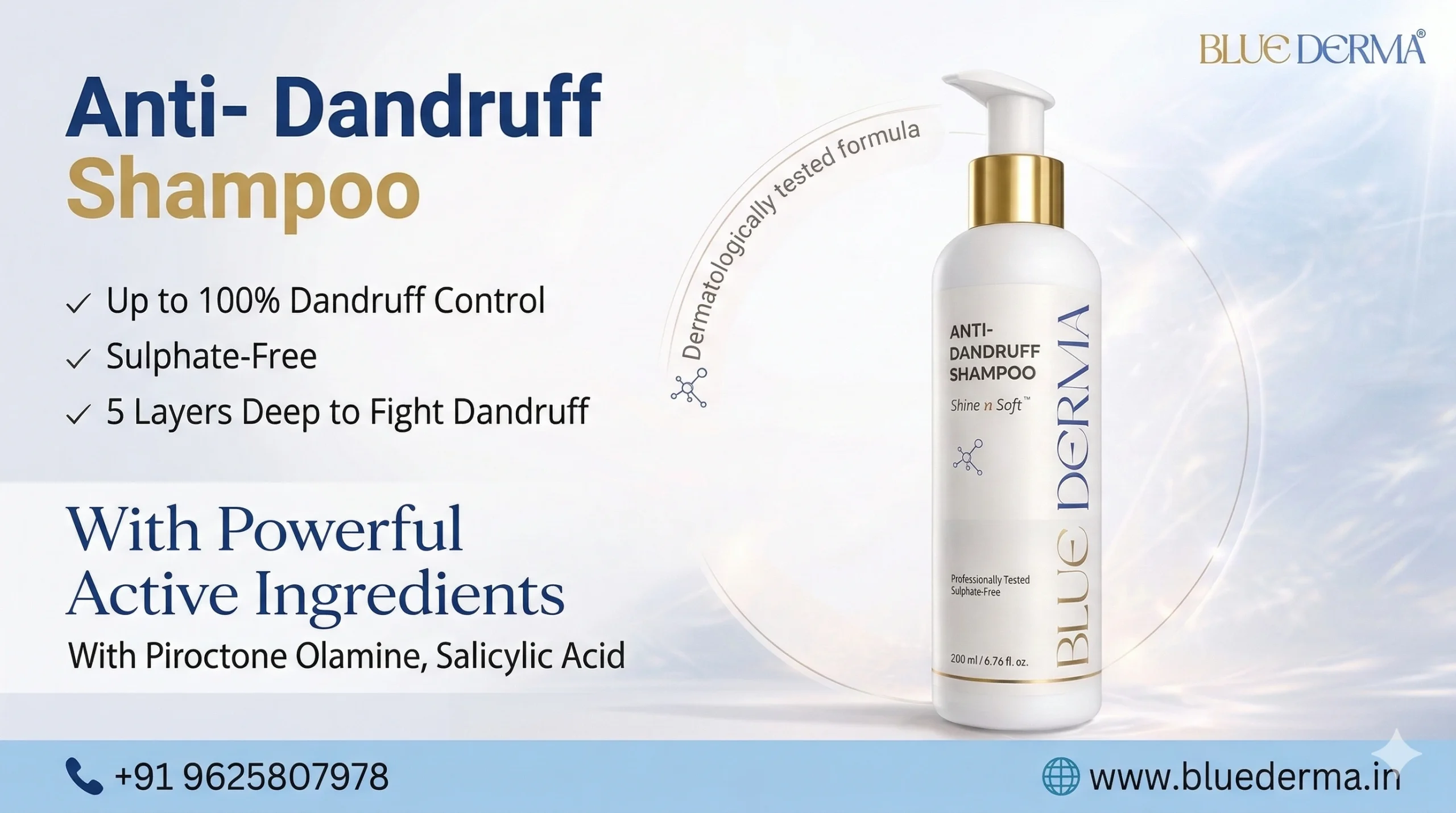
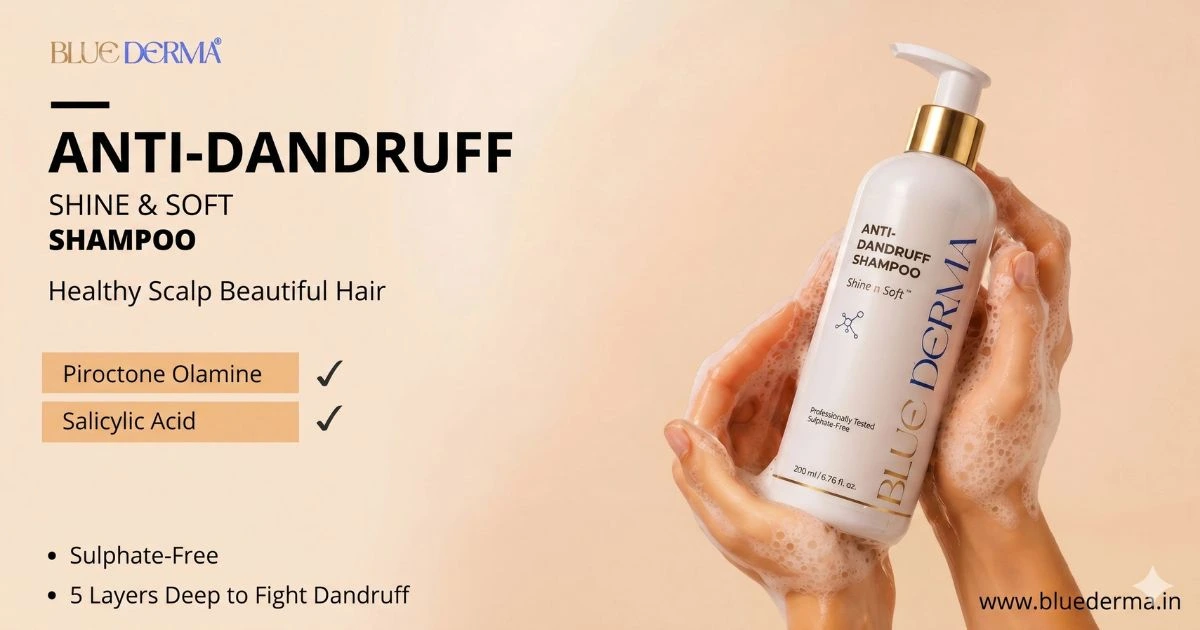
When selecting a shampoo, ingredients play a crucial role. For instance, Piroctone Olamine is known for its antifungal properties, helping reduce dandruff at its source. Similarly, Salicylic Acid works as a gentle exfoliant that removes dead skin cells from the scalp.
In addition, sulphate-free formulas are increasingly preferred because they cleanse without stripping natural oils. Therefore, a well-formulated shampoo for dandruff and flaky scalp should include active ingredients along with a mild cleansing base to ensure both effectiveness and comfort.
4. How to Choose the Right Shampoo for Your Hair Type
Not all shampoos suit every hair type. For example, if you have dry hair, you need a hydrating formula that also controls flakes. On the other hand, oily scalp conditions require a balancing shampoo that reduces excess sebum.
Therefore, when selecting a shampoo for dandruff and flaky scalp, consider your hair texture, scalp sensitivity, and frequency of washing. Making the right choice ensures better results and prevents further irritation.
5. The Role of Consistency in Dandruff Treatment
Many people switch shampoos too quickly, expecting instant results. However, treating dandruff requires patience and consistency. Most medicated shampoos take a few weeks to show visible improvements.
In fact, using a shampoo for dandruff and flaky scalp regularly, as recommended, helps maintain scalp balance. Over time, this consistent care reduces flakes, itching, and irritation significantly.
6. Common Mistakes That Worsen Dandruff
Despite using the right products, certain habits can make dandruff worse. For instance, overwashing can strip natural oils, while underwashing can lead to buildup. Both extremes negatively impact scalp health.
Additionally, using harsh chemical-based products or ignoring scalp care routines can worsen the condition. Therefore, pairing a good shampoo for dandruff and flaky scalp with proper hair care habits is essential for effective results.
7. Benefits of Using a Sulphate-Free Formula
Sulphates are known for creating lather, but they can also be harsh on sensitive scalps. This is why sulphate-free shampoos are gaining popularity in dandruff treatment.
A sulphate-free shampoo for dandruff and flaky scalp cleans gently while preserving natural moisture. As a result, it reduces irritation and supports long-term scalp health, making it suitable for regular use.
8. How to Use Anti-Dandruff Shampoo Correctly
Using shampoo correctly is just as important as choosing the right one. First, wet your hair thoroughly and apply a small amount of shampoo. Then, gently massage it into your scalp rather than your hair length.
After that, leave the shampoo on your scalp for a few minutes to allow the active ingredients to work effectively. Finally, rinse thoroughly. Following this method ensures that your shampoo for dandruff and flaky scalp delivers optimal results.
9. Long-Term Scalp Care Beyond Shampoo
While shampoo plays a key role, maintaining scalp health requires a holistic approach. A balanced diet, proper hydration, and stress management all contribute to reducing dandruff.
Moreover, avoiding excessive heat styling and using clean hair tools can further improve scalp condition. Therefore, combining these practices with a reliable shampoo for dandruff and flaky scalp ensures long-lasting results.
10. Final Thoughts: Healthy Scalp, Confident You
Ultimately, dandruff is manageable with the right approach. By understanding its causes, choosing effective ingredients, and maintaining consistent care, you can achieve a healthy, flake-free scalp.
A well-formulated shampoo for dandruff and flaky scalp not only treats visible flakes but also improves overall hair health. With the right routine, you can enjoy clean, comfortable, and confident hair every day.
Reviews
Rahul Sharma: Works effectively as a shampoo for dandruff and flaky scalp. Visible reduction in flakes within a few washes.
Priya Mehta: Gentle yet effective. This shampoo for dandruff and flaky scalp keeps hair soft and reduces itching.
Amit Verma: Reliable for regular use. A good shampoo for dandruff and flaky scalp that doesn’t dry out hair.
Neha Kapoor: Cleans the scalp deeply and improves texture. This shampoo for dandruff and flaky scalp works really well.
FAQs
1. What is the best shampoo for dandruff and flaky scalp?
A shampoo with antifungal and exfoliating ingredients like Piroctone Olamine and Salicylic Acid is considered effective.
2. How often should I use anti-dandruff shampoo?
You can use it 2–3 times a week or as recommended, depending on the severity of dandruff.
3. Can dandruff be permanently cured?
Dandruff can be controlled effectively with proper care, but it may recur if scalp hygiene is not maintained.
4. Is sulphate-free shampoo better for dandruff?
Yes, it is gentler on the scalp and helps maintain natural moisture while treating dandruff.
5. Does dandruff cause hair fall?
Severe dandruff can weaken hair roots, which may contribute to hair fall if untreated.
https://www.facebook.com/bluedermaskincare/
https://www.instagram.com/_bluederma_/
https://www.youtube.com/@IMPHARMACYS